Chapel Hill Tubal Reversal Center
109 Conner Drive Suite 2200, Chapel Hill, NC 27514 (919) 968-4656

How to Choose the Best Tubal Reversal Doctor

Tubal Reversal Surgery – How to choose the best doctor

When women begin researching tubal reversal surgery, there are several questions that are frequently asked. These questions are typically based on the differences that become apparent when they compare various facilities and doctors.

“How do I choose a doctor?” Considering the number of choices, it is one of the most important questions to consider before a woman moves forward with planning her tubal reversal procedure. Training, experience, availability, and patient support can vary greatly between doctors and facilities.

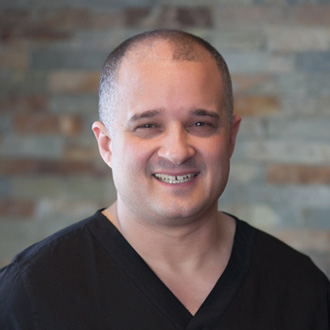
Most women who research the option of tubal reversal surgery after a tubal ligation are interested in how many reversal procedures the doctor has performed. Many reproductive surgeons have performed a tubal reversal procedure, but few perform the procedure routinely and even fewer limit their practice to this specialty. In the case of tubal reversal surgery, experience is an important factor in predicting the outcome of the procedure. Chapel Hill Tubal Reversal Center is the only medical facility specifically for tubal ligation reversal surgery. Dr. Gary Berger performs 4 reversals a day and has performed more than 7000 reversal procedures in his career.

Another question women frequently ask is whether the doctor uses the dye technique or a stent to ensure the tubes are open following surgery. The use of the dye technique is not the most accurate indicator regarding whether the tubes are open following tubal repair to allow conception. The stent technique is the better approach in our opinion to avoid any doubt. The stent is sterile and does not pass through the cervix. The stent not damage the tubes, and it ensures that they are open so a dye test is not necessary. With the stent technique used by Dr. Berger, there is no question regarding tubal patency following surgery, which puts the woman in a much better position for achieving pregnancy following surgery.

A common question during the process of researching tubal reversal facilities is whether the doctor uses permanent or absorbable suture to repair the fallopian tubes and whether he or she reconnects each of the tubal layers. While some doctors may suture all of the tubal layers, Dr. Berger uses permanent suture and sews the muscular and outer serosal layers together. He does not place suture in the inner endothelial layer as this may increase the risk of scar formation within the tubal lumen. In Dr. Berger’s opinion, this is the best approach. Comparing doctors’ data regarding pregnancy outcomes is the best way to assess their techniques since high pregnancy rates are a clear indication that the techniques are successful.

Ultimately, the most frequently asked – and most important - question regarding tubal reversal surgery is, “What are the doctor’s success rates”. Since pregnancy and its outcome are the primary concerns of most women who choose the reversal procedure, the answer to this question should be based on accurate statistical data. On the Internet, claims about tubal reversal pregnancy rates are often made without supporting information or documentation - such as a description of the patient population, study method, and follow-up interval. At Chapel Hill Tubal Reversal Center, Dr. Berger and his staff do everything possible to obtain and report this information on an ongoing basis. This allows them to remain informed about the number of pregnancies achieved and what their outcomes were after tubal reversal and to answer questions and guide patients who are waiting to become pregnant.

The decision to undergo surgery to restore fertility after a previous sterilization is a serious one for any couple. Where to go for surgery and with whom care will be entrusted is an important part of that decision. Potential patients should expect that they have been given detailed, accurate information regarding costs and recovery times, as well as careful analysis and reporting of accurate statistics regarding pregnancy and birth rates. This is referred to as “evidence based medicine” and is consistent with the mission of Chapel Hill Tubal Reversal Center. It is one of the many reasons why the facility has become known as the best place to have tubal reversal surgery.

Tubal Reversal FAQs

Nearly 500,00 women undergo tubal ligation surgery in the United States every year. Of those women, as many as one-fourth will change their mind and desire more children after tubal ligation leading to questions about the possibility of tubal reversal surgery.

The most common question women have as they research the option of tubal reversal surgery is whether the surgery will be successful. The success of the surgery depends on several factors, including a woman’s age, the type of sterilization, and the length of tube remaining after the reversal procedure. One way to determine the outcome of the reversal surgery is through a review of the operative report from the tubal ligation. Based on this information, the tubal reversal surgeon is able to make an interpretation regarding the type of sterilization a woman has had and estimate the amount of tube that may have been damaged during the procedure. Tubal reversal specialist, Dr. Gary Berger, is a reproductive surgeon who limits his practice to tubal reversal surgery. Two-thirds of Dr. Berger’s patients become pregnant in an average of 10 months after their reversal procedure.

Another priority issue is tubal reversal cost. One reason for the increased costs quoted by some facilities is the lengthy operating time due to lack of experience with the procedure. This often means that the woman is hospitalized for several days, with significant added costs as a result. Dr. Berger has developed a low-cost, outpatient reversal procedure that has resulted in the most tubal reversal babies born worldwide. With short operating times (approximately one hour) and no overnight hospital stay required, tubal reversal cost is kept to a minimum. Dr. Berger also offers an all-inclusive fee for the reversal procedure, there are no unexpected or “hidden” costs.

Potential reversal patients often ask whether the length of time since the tubal ligation will affect the outcome of the surgery and, fortunately, the answer is no. The damage that is done to the tubes at the time of the sterilization does not worsen over time, so the length of time since the tubal ligation does not specifically affect pregnancy rates. However, age does play a factor so pregnancy rates should be viewed by age if a number of years have passed before tubal reversal surgery is performed. Fortunately, women age 40 – 42 have pregnancy rates of approximately 50% following surgery with Dr. Berger at Chapel Hill Tubal Reversal Center.

Recovery times can vary greatly between doctors and facilities, and this issue is usually mentioned as an important factor in choosing a doctor for surgery. Although everyone recovers at a different rate, most of Dr. Berger’s patients return to work in 5 – 7 days following surgery and are back to the majority of their usual activities within 7 – 10 days. Tubal reversal performed by Dr. Berger usually takes less than an hour. Minimizing operating time is important, since longer anesthesia and surgery times are associated with increased complication rates and recovery from surgery. Compare this to the standard approach for tubal reversal surgery where operating times of 3 – 4 hours can result in hospitalization for several days, a recovery period of 4 - 6 weeks, and unnecessary hospitalization costs.

Dr. Berger’s successful and safe reversal procedure has been featured on television on The Discovery and Learning Channels. Chapel Hill Tubal Reversal Center is a medical facility exclusively for tubal ligation reversal. Dr. Gary Berger is recognized as the tubal reversal doctor with the most experience with this procedure. Although tubal reversal is not right for everyone, Dr. Berger can repair the fallopian tubes in 98% of women who have had a tubal ligation and want to have another baby. These are two of the many reasons why women come from all over the US and abroad to have Dr. Berger perform their tubal ligation reversals.

Press Releases About Tubal Ligation Reversal

Books, Magazine Articles, TV Broadcasts, Blogs and Study Reports

Press Release - New Tubal Reversal Doctor Dr. Charles Monteith has begun a 6 month fellowship program in tubal reversal surgery at Chapel Hill Tubal Reversal Center. Upon completing this program he will have participated in over 100 tubal reversal procedures and will become certified as a tubal reversal surgeon.

Press Release - September 2007 - Chapel Hill, North Carolina physician dedicates practice to restoring fertility in women who have undergone previous tubal ligation surgery.

Tubal Reversal Pregnancy Study Report 2007
. The largest study of tubal reversal pregnancies and outcomes ever performed is a prospective cohort study of 3,139 patients at Chapel Hill Tubal Reversal Center.

Press Release - Tubal Reversal Study 2005. Comprehensive report presents data and statistics regarding pregnancies and their outcomes among 2692 women who had their tubal reversals performed by Dr. Berger between 2001 and 2004. This is the largest and most definitive study in existence on the outcome of tubal reversal surgery.

Press Release - Chapel Hill Tubal Reversal Center Releases 500th Baby Testimonial. Patient reports second pregnancy following tubal ligation reversal surgery by Dr. Gary S. Berger.

Dr Berger’s Article About Tubal Reversal In The Health And Medicine Section Of Squidoo.com - One of the recent additions to the Chapel Hill Tubal Reversal Center Website is this link to Dr Berger’s article about Tubal Reversal in the Health and Medicine Section of Squidoo.com. This is an important article for anyone who wants to learn more about outpatient tubal ligation reversal.

The Operation – Discovery Channel production featuring the outpatient surgical techniques of Gary S. Berger, M.D. - a pioneer in tubal ligation reversal surgery. Originally aired as part of the series, “The Operation”, the film has also been featured on “The CBS Early Morning Show”. “The Operation” provides detailed information and live footage as Dr. Berger restores fertility after tubal ligation through a comfortable and affordable one-hour outpatient procedure. Available free as a videotape or DVD.

Tubal Ligation Reversal on Blogspot - Daily news and blog about tubal reversal, the outpatient surgery that restores fertility allowing women to become pregnant and have more babies after a tubal ligation.

Conceive Magazine – It seemed like a good idea at the time…but if you have been surgically sterilized and you’d now like to be pregnant again, here’s what you need to know. Conceive Magazine article, “Changing Your Mind” features Gary S. Berger, M.D. and Chapel Hill Tubal Reversal Center.

M.D. News Magazine– The article, “Outpatient Tubal Ligation Reversal - Fertility Restored Through One Hour Outpatient Surgery” features Gary S. Berger, M.D., Medical Director of Chapel Hill Tubal Reversal Center.

The Couple’s Guide to Fertility - Dr. Gary S. Berger and Dr. Marc Goldstein —specialists in male and female reproductive treatment — thoroughly examine the causes of infertility, the tests you may undergo, and the state-of-the-art treatments that can help you to have a baby, including tubal reversal surgery. The book is now in its third edition.

Tubal Reversal - Our Journeys - A collection of true stories from women who have undergone tubal reversal surgery that brings alive what the journey is really like through the eyes of those who have lived it.

Pregnancy Announcements | Daily News | Latest Additions | Press | Privacy Policy | MD News | Mission Statement | Site Map | Español
Website updated October 10th, 2008 Chapel Hill Tubal Reversal Center© Chapel Hill Tubal Reversal Center
109 Conner Drive Suite 2200, Chapel Hill, NC 27514 (919) 968-4656
   Tubal Reversal News

http://www.tubal-reversal.net/includes/footer.php  was last modified on September 7th, 2008 21:16:23

109 Conner Drive Suite 2200, Chapel Hill, NC 27514 (919) 968-4656